‘PNO needs ancestral Nepali identity, not citizenship’
BANGKOK:- Communities of Nepali origin—who left Nepal centuries ago for reasons such as employment, trade, and military service to settle permanently in countries including Myanmar (Burma), Thailand, Malaysia, and Fiji—have asked the Government of Nepal for recognition of their Nepali heritage, rather than for citizenship.
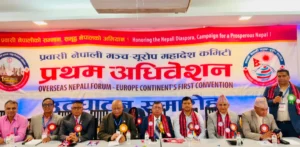
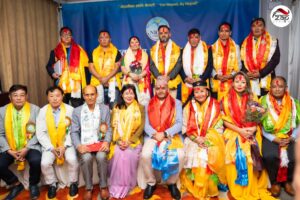
Kumar Karki, coordinator of the ‘People of Nepali Origin (PNO)’ campaign, stated that despite living abroad for generations, they have preserved the Nepali language, culture, religion, traditions, and ancestral ties. Therefore, he noted, they are demanding the issuance of an ‘Identity Card for People of Nepali Origin’ to formally establish a connection with Nepal.
Coordinator Karki stated that Nepalis who left the country before the systematic implementation of Nepal’s citizenship system—as well as their descendants—should also be legally included within the definition of PNO. According to him, because systems for birth registration, citizenship, and government record-keeping were ineffective at that time, many Nepalis were unable to preserve documents verifying their identity. They were compelled to obtain local citizenship or identity cards to reside legally in the countries where they were living.
According to Karki, many people of Nepali origin—particularly those residing in Myanmar and Thailand—have been issued identity cards identifying them as members of local ethnic communities. However, their language, culture, festivals, religious traditions, marriage customs, and social lifestyles remain deeply connected to the Nepali community.
He stated that a legal provision should be established to issue identity cards recognizing their Nepali origin, based on recommendations from local Nepali organizations and the Nepali Embassy. According to him, the PNO community does not seek Nepali citizenship; rather, they simply want Nepal to formally acknowledge their ancestral ties.
Karki expressed his belief that the identity card for people of Nepali origin would keep future generations connected to their motherland. He also demanded that legal recognition be granted to individuals of Nepali origin—and their children—who hold foreign citizenship or identity cards, and called for the provision of specific concessions in areas such as entry into Nepal, education, investment, business, banking, and healthcare services.
The Non-Resident Nepali Association (NRNA) has also stated that it prioritizes preserving the identity of communities of Nepali origin. Association President Hemraj Sharma has been advocating for addressing—through new legal provisions—the needs of communities that left Nepal centuries ago.
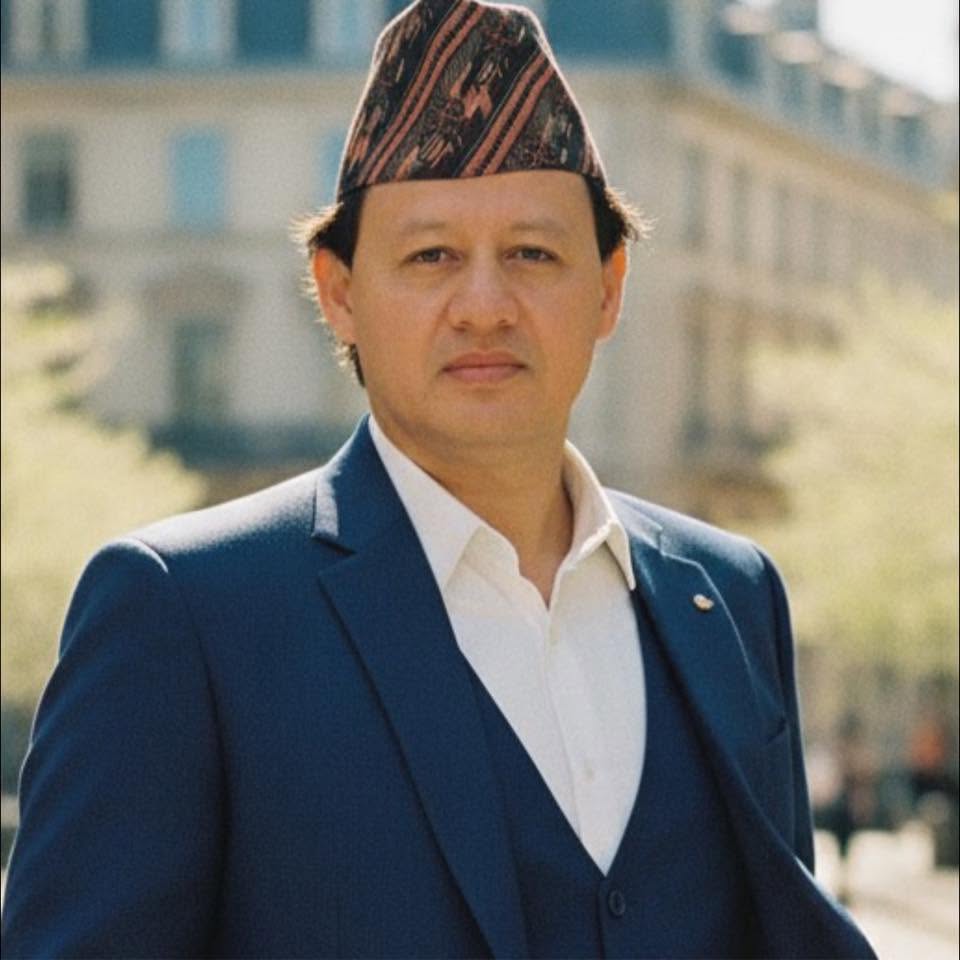
Dhan Bahadur Oli, Nepal’s Ambassador to Thailand, remarked that issuing ‘Person of Nepali Origin’ (PNO) identity cards is not merely an emotional matter but is also linked to Nepal’s economic, social, and cultural interests.
According to him, if foreign nationals of Nepali origin are granted facilities comparable to those of Nepali citizens—such as entry into Nepal, access to education, healthcare, banking, investment, business operations, property acquisition, domestic air travel, and access to tourist sites—it would have a positive impact on tourism, education, the service sector, and the economy. He noted that thousands of foreign nationals of Nepali origin are interested in coming to Nepal for study, travel, and investment, or to reside in the country during their retirement.
Ambassador Oli expressed the view that the PNO’s demand is one of identity rather than citizenship, and therefore, the government should address it positively. According to him, communities of Nepali origin across the globe are natural cultural ambassadors of Nepal, having kept the Nepali language, culture, and civilization alive for generations.
According to the campaign, communities of Nepali origin are currently residing in significant numbers across various countries, including approximately 500,000 in Myanmar, 80,000 to 100,000 in Thailand, and others in Malaysia and Fiji. Although they are foreign citizens, they continue to preserve the Nepali language, religion, culture, and traditions.
PNO states that if the Government of Nepal issues an official identity card for people of Nepali origin, the hundreds of thousands of such individuals spread across the globe could become partners in Nepal’s prosperity through tourism, education, trade, investment, cultural exchange, and social development.