
California launches free meals for students and support for children as school begins
For students with disabilities, the path to success begins with early identification, instruction tailored to individual needs, high-quality services, and strong collaboration with families. For children and youth, this means addressing barriers to success while fostering mental health support, mentorship, a sense of belonging, active classroom participation, and pathways to well-paying careers.
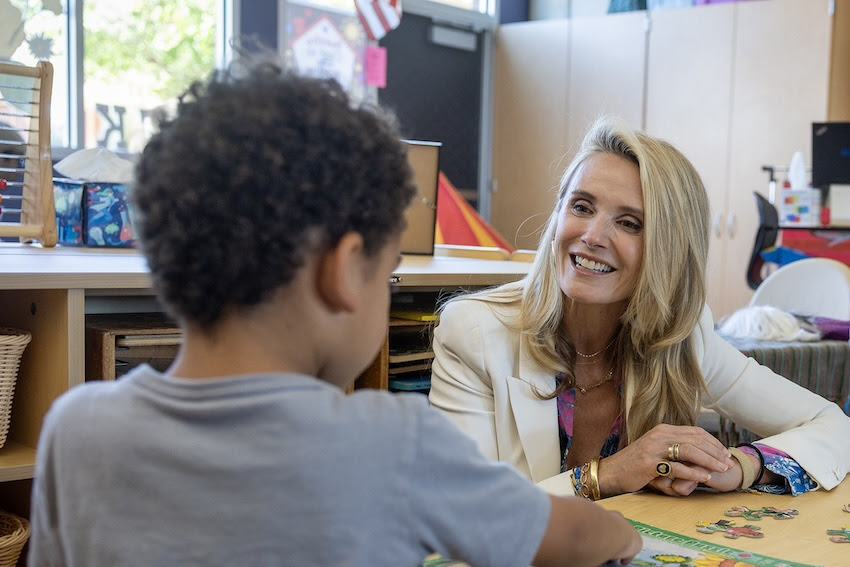
HAYWARD:- Governor Gavin Newsom kicked off the new school year today by celebrating the full implementation of ‘Universal Transitional Kindergarten’ across California. This is a historic expansion that provides free transitional kindergarten for every four-year-old in the state and is expected to help families save an average of approximately $14,000 per child.
This expansion is part of California’s broader investment in children and families—which includes free school meals, expanded before- and after-school programs, school-based mental health services, literacy support, and additional resources for students with disabilities.
This significant milestone has been achieved as millions of students in California return to school; furthermore, exam results and student academic performance are steadily improving thanks to the investments made.
Governor Gavin Newsom says, “California is demonstrating what is possible through historic investments made for future generations—providing free ‘Transitional Kindergarten’ for every four-year-old, free school meals, expanded after-school programs, as well as provisions for child care, mental health support, and additional assistance with learning to read. We have invested heavily in our children, and we are seeing the results.”
California is giving children a head start by bringing them into the education system earlier.
In 2021, while visiting students and teachers at Shearer Elementary—a diverse K-5 school in the Napa Valley Unified School District—Governor Newsom signed California’s historic education package to launch new, phased-in classes for the state’s four-year-olds.
Research shows that children who attend preschool benefit from strong brain development and improved learning outcomes as they begin their educational journey.
Today, Universal TK is in its second year of full statewide implementation, making California home to the nation’s largest pre-K system—and it is expected to help California families save approximately $14,000 per child.
‘Universal TK’ is not merely an investment in education; it is an investment in the family as well. It offers children the opportunity to start learning early while helping parents save on the costs of early care and education.
The school day does not begin when the bell rings—and for working parents, it does not end when classes are over.
California has expanded before- and after-school programs as well as summer programs. This not only assists families with childcare costs and arrangements but also provides students with additional time for academic support, supplemental learning, nutritious meals, and a safe environment for learning.
A student’s learning capacity depends on more than just what happens during lessons.
Therefore, California has adopted a whole-child approach that helps connect schools with the comprehensive support students and families need to succeed.
At the heart of this effort are California’s community schools, which bring together education, county, and non-profit partners to provide high-quality instruction and wraparound services—including healthcare, mental health services, counseling, nutrition programs, and other social supports. The model places students, families, and communities at the center of school planning and engagement.
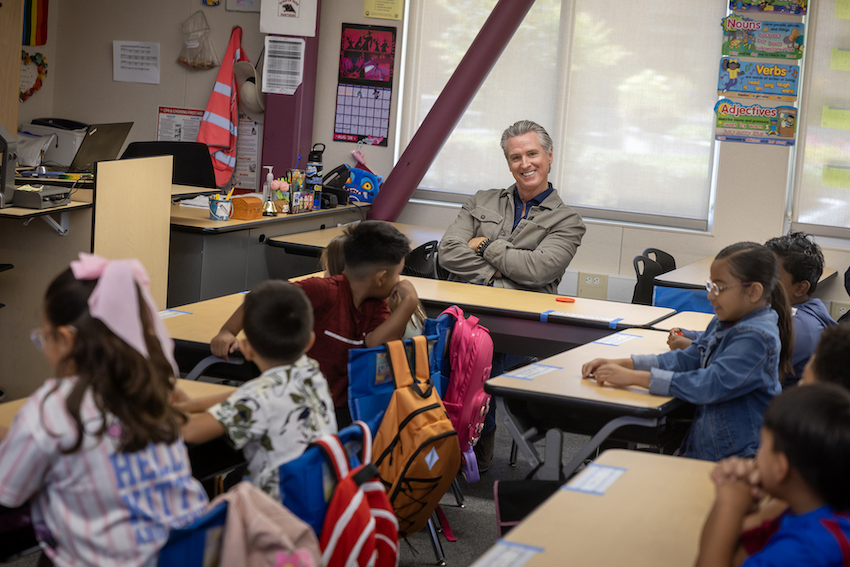 Recent studies have shown that, compared to similar schools lacking such comprehensive support arrangements, schools participating in this program have achieved greater progress in English language arts and mathematics, while also recording lower rates of long-term student absenteeism and school expulsions.
With Governor Newsom’s support, California is leading the nation in making healthy, minimally processed meals a part of every child’s school day. These efforts are helping students learn, grow, and thrive while reducing their risk of diet-related chronic diseases, including type 2 diabetes and heart disease.
Research shows that students participating in school meal programs consume more nutritious food, experience fewer nutrient deficiencies, attend school more consistently, perform better academically, and report fewer behavioral challenges as well as symptoms of anxiety and depression.
In 2022, under the leadership of Governor Newsom, California took immediate action to address the mental health crisis facing young people. While other states were cutting resources allocated for children’s mental health, California initiated the most significant transformation of its mental health system in the state’s history.
Under this initiative, investments were made in children and families, school-based services were expanded, and the behavioral health workforce was strengthened so that young people could access health services when and where they needed them.
These investments are helping to create an environment conducive to student success—and recent results show continued progress.
The trends observed in the statewide results set to be released this autumn are positive overall: improvements are evident across every subject and grade level tested, with notable progress particularly among Black and Latino students, as well as sustained improvement among students from disadvantaged socioeconomic backgrounds.
Growing up with dyslexia (a condition that makes reading difficult), the Governor personally experienced the frustration of being unable to read as easily as many of his classmates. That experience has strengthened his commitment to ensuring that every child—regardless of background, income, or learning differences—receives the early identification, personalized support, and high-quality instruction needed to become a proficient reader and succeed in school and beyond.
For Governor Newsom, literacy can shape children’s self-confidence, their outlook on possibilities, and their ability to access lifelong opportunities. In 2025, alongside students and teachers in Compton, the Governor announced a comprehensive strategy to improve literacy and provide students with stronger, personalized support tailored to their individual needs.
Governor Newsom’s commitment to educational success means ensuring that every student receives the resources and opportunities necessary to achieve their full potential.
Building on California’s investments in early education, community schools, nutritious meals, mental health services, literacy, and college and career pathways, the state is providing targeted support to meet the diverse needs of students—particularly those with disabilities and youth facing disparities in academic achievement and well-being.
For students with disabilities, the path to success begins with early identification, instruction tailored to individual needs, high-quality services, and strong collaboration with families. For children and youth, this means addressing barriers to success while fostering mental health support, mentorship, a sense of belonging, active classroom participation, and pathways to well-paying careers.
Collectively, these efforts advance California’s ‘holistic, child-centered approach’ and will help ensure that a student’s background, income, disability, or circumstances do not determine their future.