17th NRNA Europe Regional Conference Begins
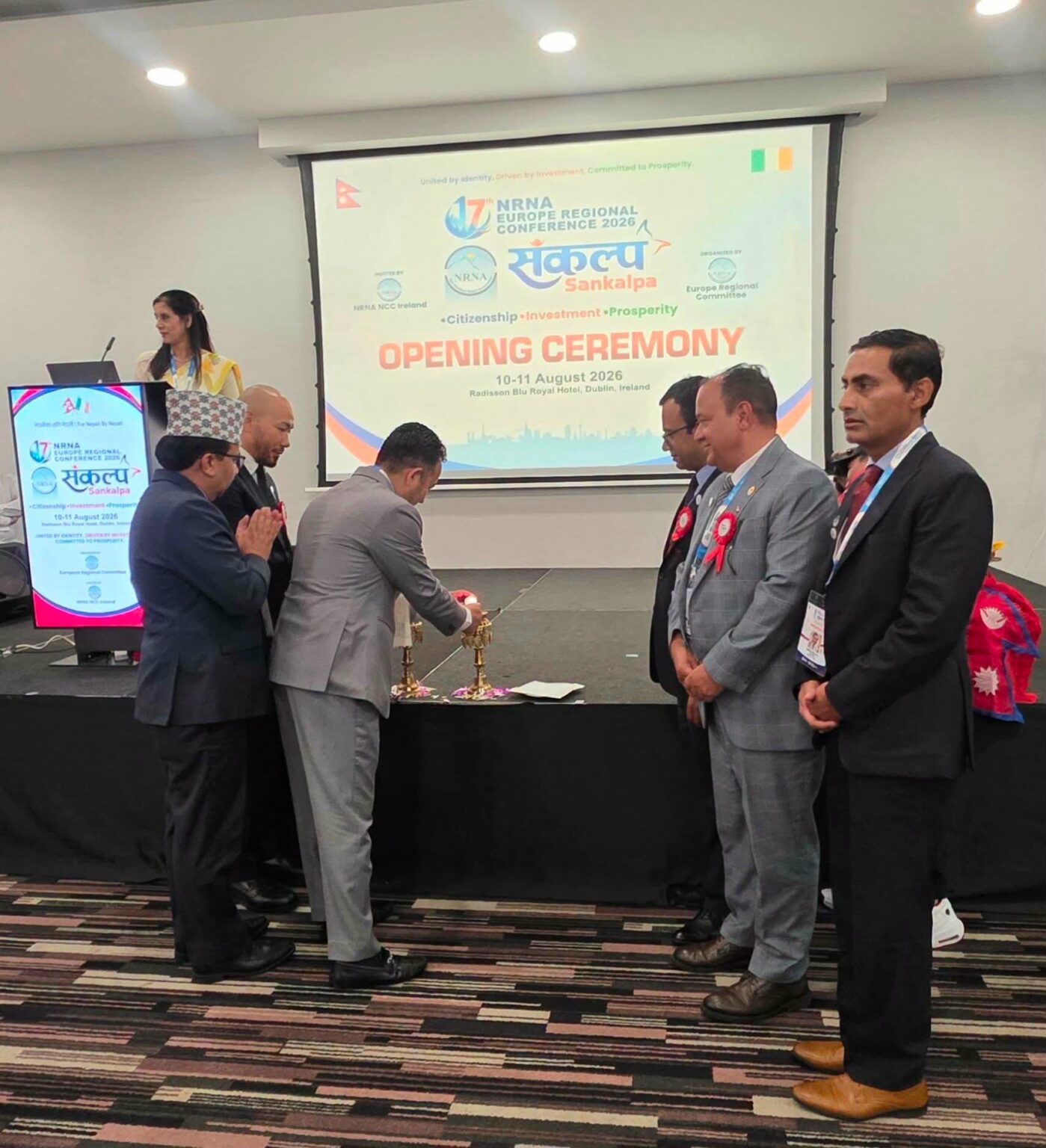
LONDON:- The 17th Europe Regional Conference of the Non-Resident Nepali Association (NRNA) has kicked off today in Dublin, the capital of Ireland. The message of the conference is “United by Identity, Driven by Investment, Committed to Prosperity.”
With the expansion of the NRNA, European regional meetings and conferences have evolved into important platforms for fostering coordination among the Nepali community in Europe, formulating shared policies, strengthening the organization, and expanding ties with Nepal.
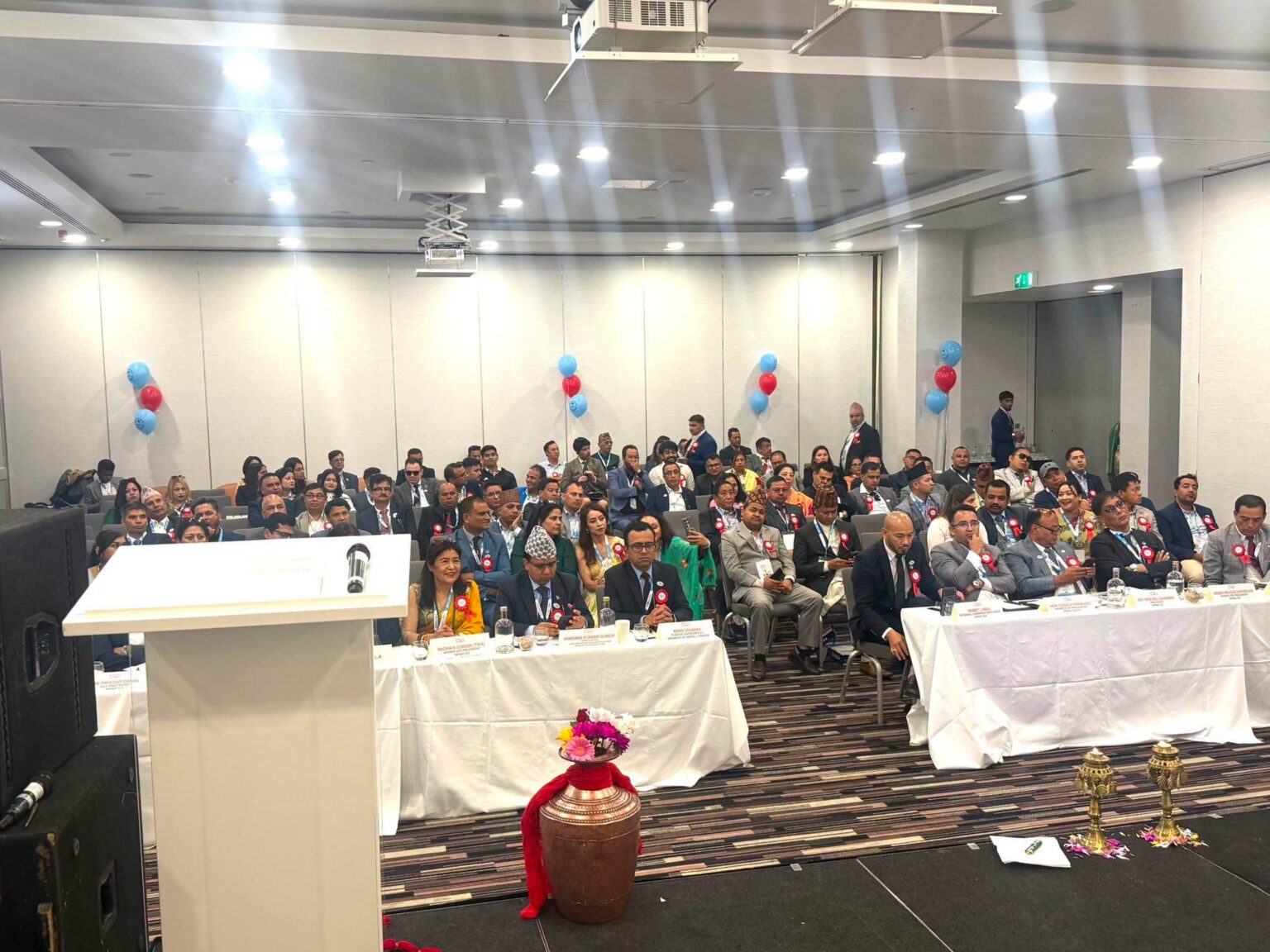 This year’s conference will see the participation of NRNA ICC and NCC office bearers, entrepreneurs, professionals, experts, women and youth leaders, second-generation non-resident Nepalis, and community representatives from various regions of the world, including Europe. So far, the participation of over 200 individuals from 35 countries has been confirmed, and the total number of participants is expected to reach approximately 250.
Honorable Ganesh Parajuli, Deputy Leader of the Rastriya Swatantra Party (RSP) Parliamentary Party and Member of the House of Representatives, is participating in the conference as the chief guest. Also in attendance are Bipin Duwadi, Nepal’s Acting Ambassador to the UK; Krishna Kumar Subedi, Under-Secretary at the Ministry of Foreign Affairs’ Labor Migration and Diaspora Division; Supriya Singha, a Councilor with Dublin City Council; as well as NRNA leadership and experts from various fields.
The conference, spanning two days (today and tomorrow), will feature ten major thematic sessions. It will facilitate in-depth discussions on topics such as Non-Resident Nepali (NRN) citizenship and rights, investment in Nepal, safe migration, labor and economic diplomacy, women’s empowerment, youth and second-generation participation, the transfer of knowledge, skills, and technology, the strengthening of National Coordination Councils (NCCs), cross-border issues, and the institutional rebranding of the NRNA.
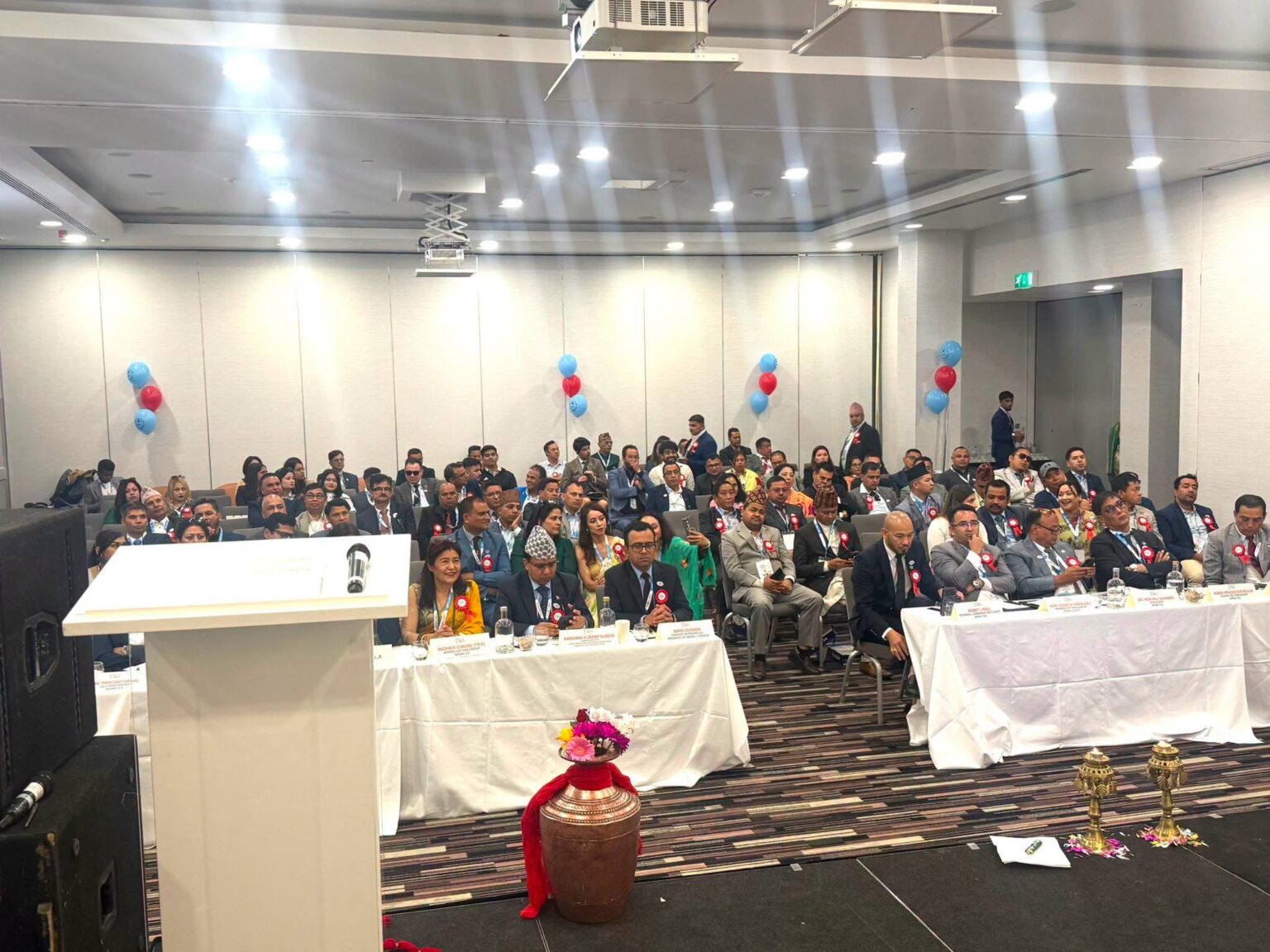
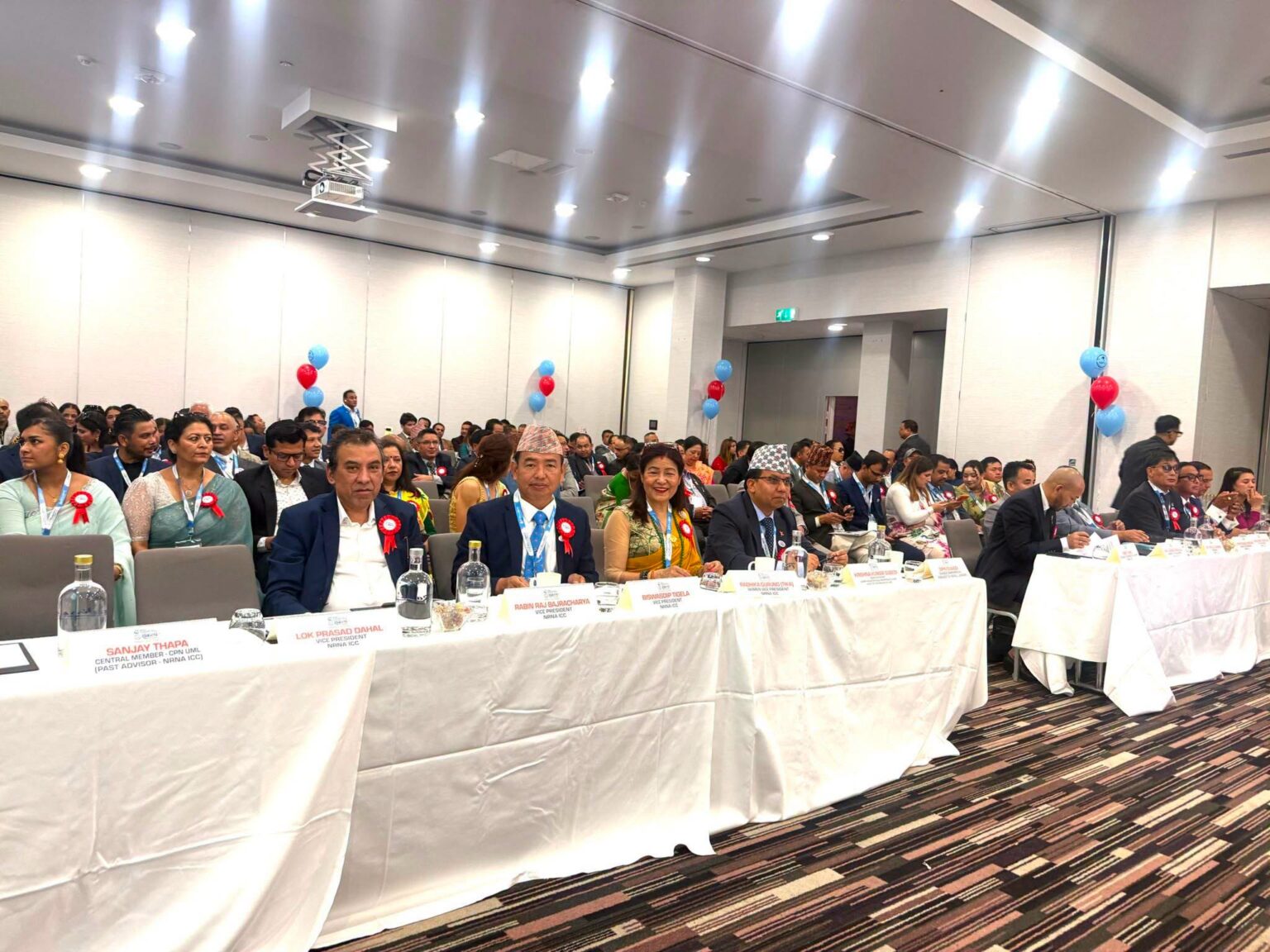 This year’s conference places special emphasis on Non-Resident Nepali citizenship and rights, investment in Nepal, and the participation of women, youth, and the second generation. Discussions focused on women will highlight entrepreneurship, economic empowerment, safe migration, health, and access to legal services, while sessions dedicated to youth and the second-generation will center on leadership development, information technology, entrepreneurship, identity, language and culture, and long-term ties with Nepal.