Yak festival draws hundreds to Mustang’s Lake
The yak is a male bovine animal found in the Himalayan region, while the nak is the female of the species. The conservation committee supports the protection and expansion of yak herds and provides assistance to herders facing difficulties from the income generated by the festival.
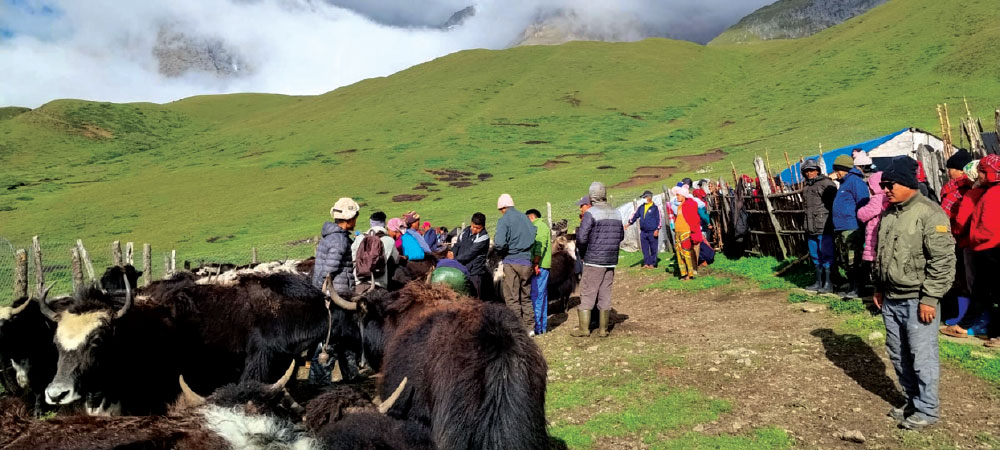
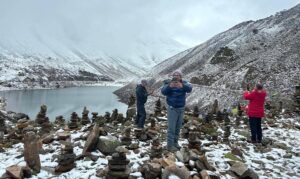
MUSTANG:- More than Rs. 3 million worth of business was recorded at a yak festival held at Marche Lake in Thasang Rural Municipality of Mustang, at an altitude of 4,000 metres at the foot of Nilgiri Himal.
The Marche Yak Conservation Committee organised the festival to increase the income of yak herders. Despite adverse weather, more than 500 people from different places attended the event.
Some visitors reportedly travelled for about five hours on foot from the Beni-Jomsom road section to reach the festival site. Many of those attending were people seeking traditional remedies, including drinking fresh yak blood and consuming yak meat.
The festival is organised annually to encourage people to take up yak farming, said committee member Sojan Hirachan. “The business generated by visitors provides financial support to yak herders,” he said.
According to Hirachan, many visitors return repeatedly and some stay for about a week. There is a widespread belief that drinking the warm blood of yaks that graze on valuable herbs such as yarsagumba and nirmasi found in pastures above 4,000 metres can help relieve ailments including gastric problems, coughs, indigestion, joint and nerve disorders.
Besides fresh blood and yak meat, the festival also offers products such as ghee and churpi, as well as yak horns, tails and gallbladders for decorative and other purposes.
Madhendra Sherchan, coordinator of the committee, said the health of around 750 yaks from 10 herds was checked before their blood or meat was used. Local traders also earn income through temporary shops and other businesses during the festival, he said.
The Himalayan Yak Conservation Committee has been organising the festival every year in Baisakh for two weeks at Ghattikhola in Thasang-2 along the Beni-Jomsom section of the Kaligandaki Corridor.
Yak blood is extracted by making a small puncture in the animal’s neck with a sharp metal instrument known locally as a chulesi.
Although many people attending the festival believe that drinking yak blood can cure their illnesses, health experts advise that fresh blood should be heated thoroughly before consumption to reduce the risk of infection. While heated blood may provide some nutrients, fresh blood can contain harmful substances and pathogens.
The yak is a male bovine animal found in the Himalayan region, while the nak is the female of the species. The conservation committee supports the protection and expansion of yak herds and provides assistance to herders facing difficulties from the income generated by the festival.
The yak festival has become the most important source of income for yak herders in the area, encouraging some farmers to establish new herds in recent years.