It’s a mystery who launched the latest airstrikes against Iran
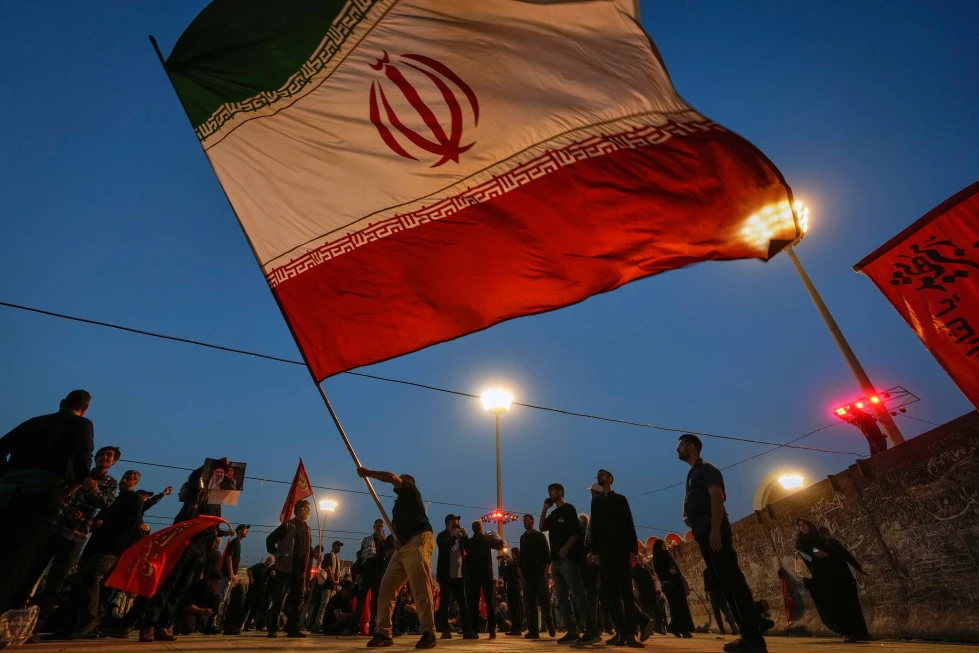
The strikes Thursday, just as Iran prepared to bury the late Supreme Leader Ayatollah Ali Khamenei, hit areas across southern Iran. The country’s theocracy hasn’t directly blamed anyone, though one lawmaker warned the United Arab Emirates about allegedly providing support to the U.S. campaign against Iran.
Gulf Arab states, which Iran has targeted repeatedly since the war began Feb. 28, did not immediately respond to requests for comment Friday about the strikes. The attacks come as those Gulf nations and the U.S. insist that the Strait of Hormuz, a vital waterway for world energy markets, must be open and free to ships to transit.
Iran says the strait must now be under its sole control and that vessels should begin to pay fees to Tehran — even though the world for decades has considered it an international waterway. About a fifth of all traded oil and natural gas passed through the strait before the war began.
Israel, which took part in the Iran war, also has not claimed any recent attacks on Iran.
Central Command did not respond to a request for comment about the additional strikes.
Iran responded to the strikes Thursday by launching a wider volley of attacks across the Mideast, targeting Bahrain, Jordan, Kuwait and Qatar. Missile alert sirens sounded in the four countries, sending people to seek shelter. One person was reportedly hurt in Kuwait as air defense systems targeted the incoming fire across the region.
The exchange of strikes again tested a shaky ceasefire deal between Tehran and Washington. U.S. President Donald Trump reiterated on social media Friday that he views the interim deal as over, but he said the U.S. would continue talks aimed at putting a permanent end to the war.
Israel, which under Prime Minister Benjamin Netanyahu has engaged in an intense campaign against Iran, has not attacked the Islamic Republic since June. Israel also broadly immediately claims its attacks on Iran.
Israel’s government said Netanyahu spoke with Trump on Thursday night, with Trump updating Netanyahu “on American moves in the Gulf.”
The Israel military “is on alert and ready to renew the campaign, to reestablish aerial superiority, and to carry out a blue-white (Israeli) strike in Iran to remove threats, even for a third time,” Katz told a military ceremony. “If we will have to return, we will return with even greater force.”
Iran keeps up its threats
Meanwhile, Iran insists it must be the sole controller of the Strait of Hormuz. But the U.S. continues to urge mariners to travel on a southern route through Oman’s territorial waters to avoid Iran.
The Joint Maritime Information Center, a multinational body overseen by the U.S. Navy, issued a new advisory Friday urging ships to travel that route. A similar message sparked an Iranian attack on Tuesday that saw three vessels hit.
“Notwithstanding recent unprovoked attacks on merchant vessels, mariners are reminded that the southern route of the (strait) has been expanded and remains available for all traffic,” the maritime center said.
Twenty-two ships transited the strait Thursday, down from 30 Wednesday and 41 on Tuesday, according to data and analytics company Kpler.