Second Millet Planting Festival held for conservation and promotion of indigenous crops concludes
“Finger millet is not merely a traditional grain; it is a vital crop linked to nutrition, health, and income generation,” said Minister Karki. “It can be used to produce a wide range of items—from 'Haluwa', 'Satu', 'Dhindo', *sel roti*, biscuits, cakes, cookies, and bread to 'Momo' and even homemade beverages. If value-added products are brought to market, farmers' incomes can be significantly increased.”
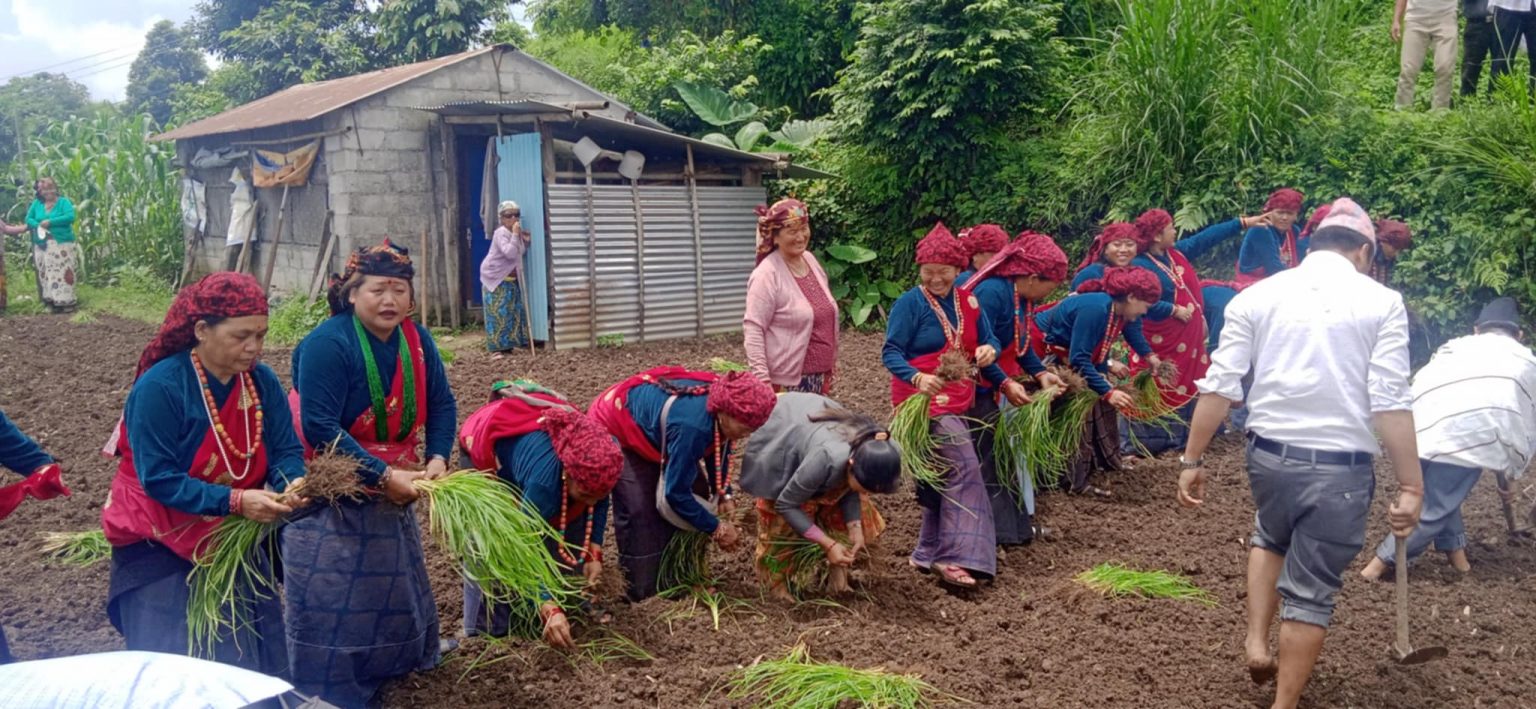
KASKI:- The Second Millet Planting Festival-2083, organized by Rupa Rural Municipality in Kaski on the occasion of National Millet Day, has concluded with the central theme: “Conservation and promotion of millet crops, and enhancement of food and nutritional security.”
Participants noted that the festival—organized by the rural municipality in coordination with Ward No. 6 and the Chisapani Farmers’ Group—conveyed a significant message regarding the conservation of indigenous crops, increased production, market development, nutritional security, and the promotion of agritourism.
The festival featured millet planting, a demonstration of 13 millet varieties, an exhibition of various millet-based dishes, local cultural performances, *bhajan-chutka* (devotional and folk music) sessions, and a program for farmers to share their experiences.
While inaugurating the festival, Bhim Bahadur Karki remarked that although millet is a traditional and highly nutritious food crop in Nepali society, its importance has faded over time. Noting that millet—once a staple of rural life—has been sidelined due to the influence of modern dietary habits, he emphasized the need for collaboration among all stakeholders for its conservation and commercialization.
“Finger millet is not merely a traditional grain; it is a vital crop linked to nutrition, health, and income generation,” said Minister Karki. “It can be used to produce a wide range of items—from ‘Haluwa’, ‘Satu’, ‘Dhindo’, *sel roti*, biscuits, cakes, cookies, and bread to ‘Momo’ and even homemade beverages. If value-added products are brought to market, farmers’ incomes can be significantly increased.” Minister Karki added that the provincial government is implementing various policies and programs to develop agriculture into a respected profession.
Rural Municipality Chairperson Navaraj Ojha stated that the rural municipality has prioritized the conservation of indigenous crops. Noting plans to expand millet cultivation across all wards, he mentioned that collaborations with government and non-government organizations are underway to link local produce with markets.
Speakers highlighted that the conservation of indigenous crops is not merely a matter of agricultural production but is directly linked to biodiversity, nutritional security, cultural heritage, and the rural economy.
Finger millet was planted collectively on an 11-ropani plot belonging to farmer Nar Bahadur Gurung in Chisapani, Rupa Rural Municipality-6.