California righting wrongs committed against indigenous people by returning their land
Through the administration’s Tribal Nature-Based Solutions grant program, and many other conservation grant programs, the state has awarded over $200 million to fund the return of over 100,000 acres of land to California Native American tribes.
SACRAMENTO:- Grounded in a commitment to return ancestral lands and strengthen Indigenous stewardship, the State of California continues its efforts to rectify historical wrongs committed against Indigenous communities.
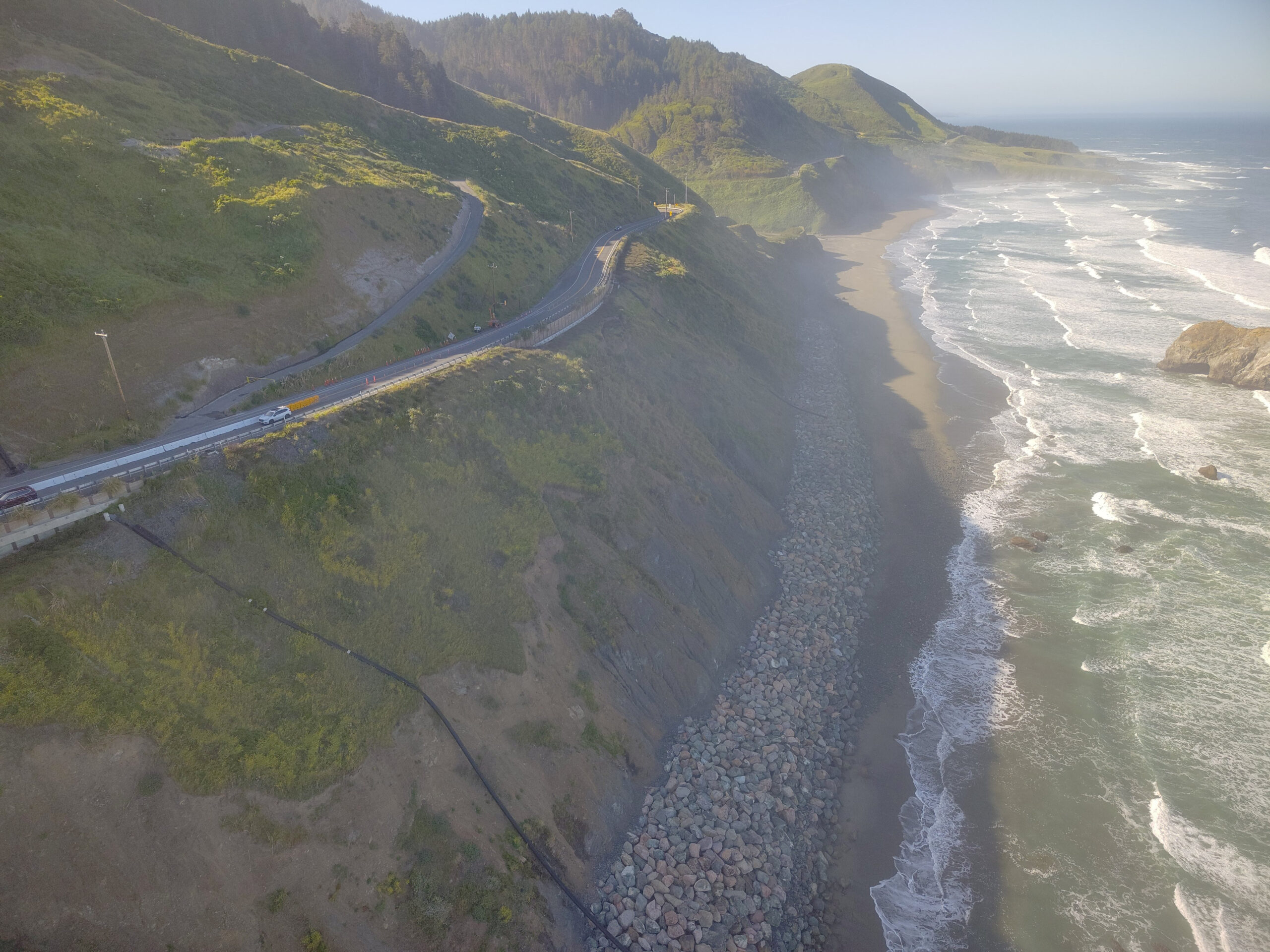
Caltrans, the California Transportation Commission, the California Coastal Commission, and the non-profit Kai Poma—comprising the Coyote Valley Band of Pomo Indians, Round Valley Indian Tribes, and Sherwood Valley Band of Pomo Indians—have finalized the process of returning the 136-acre Blosser-Lane Bluffs in Mendocino County to Indigenous ownership.
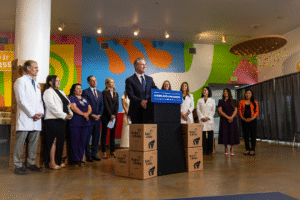
Governor Gavin Newsom said, “This momentous transfer restores a sacred cultural connection between Native peoples and their ancestral homelands in the north state. By virtue of a collaborative effort among tribal nations, state agencies, and regional partners, this majestic stretch of coastline will once again be managed under the rightful stewardship of local tribes.”
The Blues Beach land transfer honors the cultural, historical, and ecological significance of the 136-acre property to local tribes and fulfills the intent of Senate Bill 231, signed by Governor Gavin Newsom in 2021. The law, authored by Senator Mike McGuire (D-Healdsburg), gives Caltrans the authority to make the transfer, prohibits commercial activity on the property, and requires public access to be maintained.
“Ancestral lands hold profound importance to California Indian communities. The legacy of forced relocation continues to affect tribal families, and the protection of homelands remains essential for cultural continuity,” said Kai Poma Chairman Eddie Knight. “Preserving and restoring Blues Beach supports ongoing tribal practices such as harvesting food, harvesting medicine, and safeguarding sites of historical and spiritual significance. Kai Poma looks forward to restoring and protecting Blues Beach for future generations.”
California first acquired the section of cliffside and shoreline in the 1960s as part of a plan to create scenic overlooks and recreational opportunities along Highway 1.
“Thanks to Governor Newsom’s leadership and Senator McGuire’s legislation, this transfer acknowledges the deep cultural, historical, and ecological significance of this 136-acre property to local tribes and advances long-standing efforts to return stewardship responsibilities to tribal communities,” said California Transportation Secretary Toks Omishakin
Generations of visitors have come to the beach for recreation and sightseeing, and that history will continue under tribal stewardship. Caltrans will keep an easement for future maintenance. Once transferred, Kai Poma will manage the site in keeping with its cultural, environmental, and public access commitments.
In 2019, Governor Newsom issued the first formal apology on behalf of the State of California to California Native American peoples at the future site of the California Indian Heritage Center. In that moment, he also announced the creation of the California Truth and Healing Council, charged with examining the historical relationship between the state and tribal communities and recommending steps toward truth, healing, and repair. Since then, the Council, led by Secretary Snider-Ashtari, has worked with tribal communities to record and better understand the historical relationship between the state and California Native Americans. Through collaborative and consultative work of the Council, the Governor’s Office of Tribal Affairs, and tribes across the state, the state has developed a number of programs and initiatives that place tribal partnership at the heart of land conservation, climate resilience, and cultural preservation.
In 2020, the Governor directed state agencies to support California tribes’ co‑management of and access to natural lands that are within a California tribe’s ancestral land and under the ownership or control of the State of California. That directive, paired with record investments to tribes, has enabled California tribes to access and steward forests, rangelands, rivers, and coastline.
Through the administration’s Tribal Nature-Based Solutions grant program, and many other conservation grant programs, the state has awarded over $200 million to fund the return of over 100,000 acres of land to California Native American tribes.