Possibility of removing 60-day ‘grace period’ for H-1B visa holders
This change will have an immediate impact on the South Asian community in the United States. For a long time, citizens from South Asian nations—including India, Pakistan, Bangladesh, and Nepal—have been the primary beneficiaries of the H-1B skilled worker program.
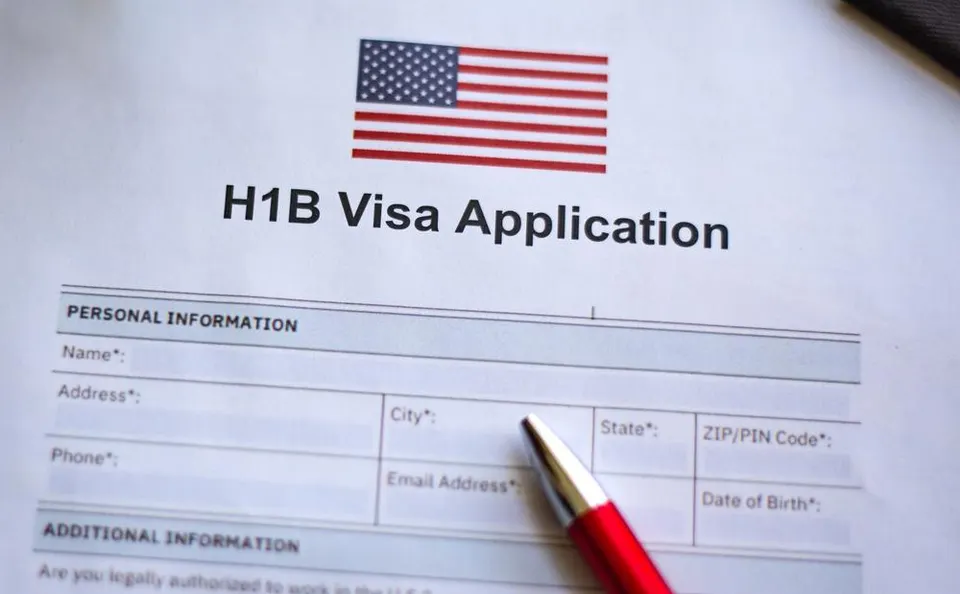
By Purushottam Dhakal, LOS ANGELES:- A proposal is being reconsidered to eliminate the provision that allows certain foreign workers up to 60 days to find new employment after losing their jobs.
This proposal is currently under review by the White House’s Office of Management and Budget (OMB) and has not yet become a formal rule; full details of the proposed changes have not been released either.
Revoking the 60-day ‘lifeline’ provision could force affected workers and their dependents to leave the country almost immediately.
If the proposed rule to eliminate the 60-day ‘lifeline’ provision is finalized, it will remove the current 60-day ‘grace period’ available to certain workers and their dependents.
This provision applied in situations where employment linked to an individual’s immigration status ended before their authorized period of stay expired.
This change will have an immediate impact on the South Asian community in the United States. For a long time, citizens from South Asian nations—including India, Pakistan, Bangladesh, and Nepal—have been the primary beneficiaries of the H-1B skilled worker program.
According to U.S. Citizenship and Immigration Services (USCIS), 71 percent of the H-1B petitions approved in the 2024 fiscal year were for individuals born in India.
The current rule was introduced in 2017 with the aim of providing greater flexibility to highly skilled foreign workers who lose their jobs.
Under current rules, certain non-immigrant workers whose employment has ended are permitted to remain in the U.S. for up to 60 consecutive days or until the end of their authorized stay, whichever comes first.
This provision covers workers in various visa categories, such as E-1, E-2, E-3, H-1B, H-1B1, L-1, O-1, and TN, as well as their dependents.
This 60-day period is crucial for workers, as it allows them to seek another employer, apply for a new visa, or consider other options for remaining in the U.S. legally.
If the proposed law is implemented, workers will not be able to switch to another employer or change their immigration status while remaining in the U.S. after their employment ends.
In addition to H-1B visa holders, the proposed legislation will also affect other visa categories such as E-1, E-2, E-3, H-1B1, L-1, O-1, and TN.