Congressmen Garavendi and Simon Introduce Long-Term Security Act for Immigrants in the House

LOS ANGELES:- Congressman John Garamendi, Congresswoman Lateefah Simon, Congresswoman Zoe Lofgren, and Congressman Juan Vargas have announced that they will introduce a bill on Thursday titled the “Protect Our Neighbors Act.” This bill, intended for submission to both chambers of the U.S. Congress, aims to protect long-term immigrant residents who have lived in and contributed to their communities for more than 10 years.
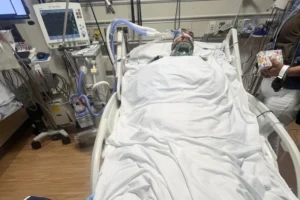
This bill is inspired by the story of Harjit Kaur, a resident of the congressional district represented by Congressman Garamendi and Congresswoman Simon. Harjit Kaur, a 73-year-old grandmother who had lived in the United States for over 30 years, was cruelly taken into custody by Immigration and Customs Enforcement (ICE) and subsequently deported.
Congressman Garamendi stated, “President Trump promised that his immigration policy would target the ‘worst of the worst’—criminals. Instead, his administration has repeatedly chosen to cruelly deport residents who have spent decades working, paying taxes, and raising families within their communities.” This is exactly what happened to someone from our district. About a year ago, ICE cruelly took 73-year-old grandmother Harjit Kaur into custody and deported her. She had no criminal record and had been reporting regularly to the ICE office every six months for over 13 years. This instance of cruel and unjust detention and deportation is just one example of the situation faced by thousands of people across the country whose lives and families have been shattered by Trump’s ICE. Unfortunately, such incidents have become all too common under Donald Trump’s agenda of ‘mass deportations.’ For this reason, I am proud to join Members of Congress Simon, Lofgren, and Vargas in presenting this practical and humane solution for our immigration system.”
“We need a practical immigration policy for people who have been living peacefully in the United States for a long time and have been good members of their communities,” said Congresswoman Lofgren, a senior member of the House Judiciary Committee and a former immigration attorney. “Detaining and deporting individuals with no criminal record was not part of Donald Trump’s campaign agenda, nor is it something the American people desire. The ‘Protect Our Communities Act’ offers long-term residents—who have built their lives here—a fair opportunity to resolve old deportation orders and obtain legal permanent resident status.”
According to the American Immigration Council, approximately 1.19 million people with final orders of removal remain in the United States—many of whom have spent years building their lives, raising families, and working here. Under the Trump administration, the Department of Homeland Security (DHS) and Immigration and Customs Enforcement (ICE) have aggressively pursued individuals with final removal orders. This has placed long-term residents—who had previously complied with regular check-ins—at renewed risk of detention and deportation, regardless of how long their cases may have been stayed.
Harjit Kaur, 73, had been living in the United States since the early 1990s and was a resident of Congressman John Garamendi’s district. Following the denial of her asylum application in 2012, she complied with a requirement to report to U.S. Immigration and Customs Enforcement (ICE) every six months for over 13 years.
On September 8, 2025, he was taken into custody while arriving for a routine check-in and placed in an ICE detention center in Bakersfield. Around 2:00 AM on September 19, he was handcuffed and transported to Los Angeles. From there—without any notification given to his family or lawyer—he was taken to Georgia and subsequently placed on a chartered flight bound for India. He was deported before his family, who were preparing to travel with him, even had the chance to say goodbye.
Kaur had attempted to obtain travel documents from the Indian Consulate, but it is reported that she was turned away repeatedly. She had not refused to return to India; however, without valid documents, it was not possible for her to leave.
While in custody, she was not provided with a bed, forcing her to sleep on the floor. She was kept in chains whenever she was moved from one place to another. Furthermore, her request for vegetarian food—based on her religious beliefs—was denied, and she was also deprived of adequate food, water, and medical care.
Since returning to India, she has remained in contact with her family; however, as she has no relatives there to assist her, she continues to face health-related problems.