Beyond the Bamboo Ceiling: How Eshan Patil and the Youth Civics Think Tank Are Elevating Asian American Youth Leadership
“I’ve always been interested in that disconnect between achievement and leadership,” Eshan Patil said. “Asian American students are constantly being told that we’re successful, but that does not necessarily mean we’re equally represented in fields like civics, politics, or generally the rooms where decisions are being made.”
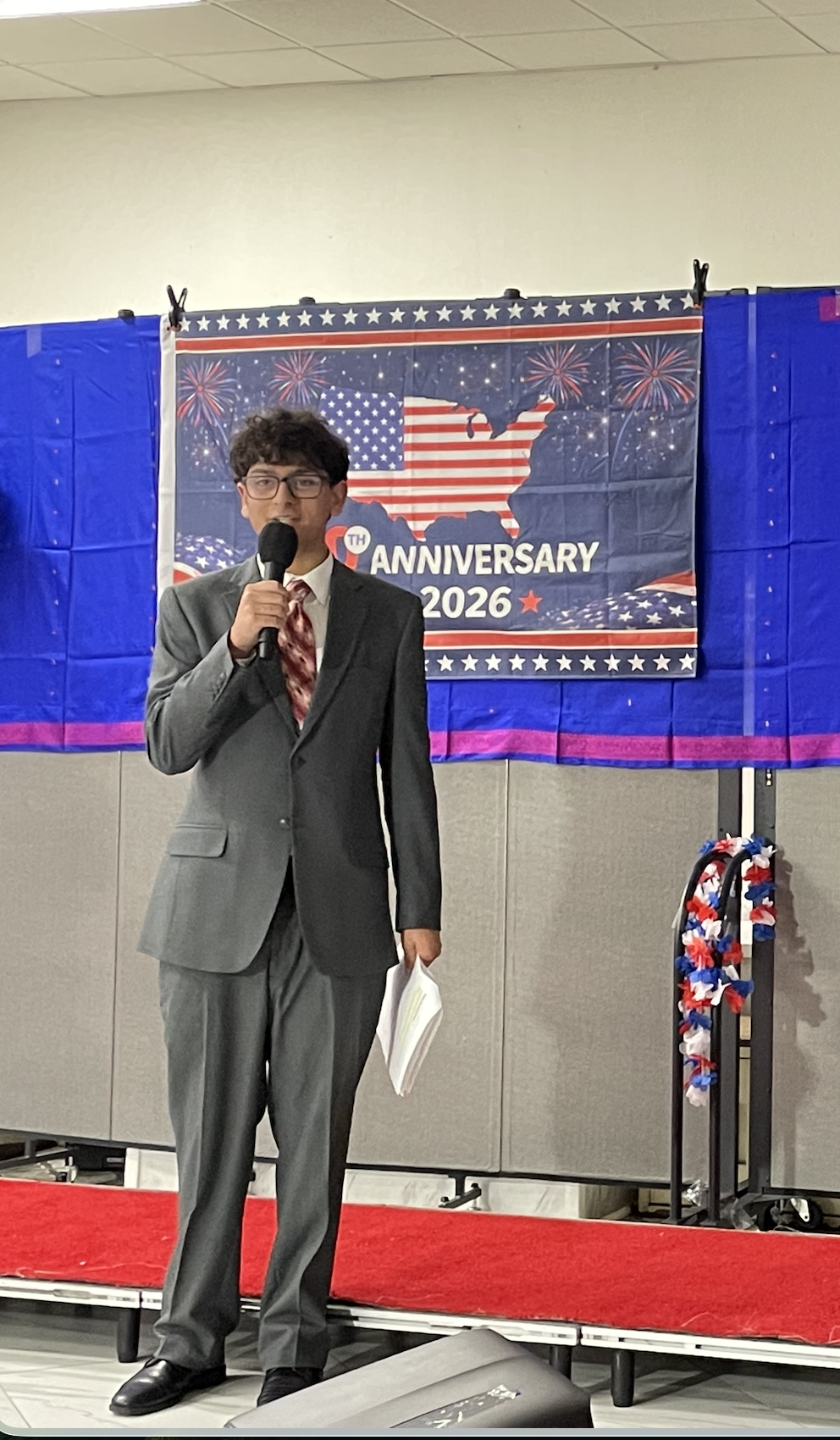
LOS ANGELES:- For Eshan Patil, bringing communities together through “United We Stand” was about more than celebrating America’s 250th Anniversary. It was also an opportunity to start conversations he believes young Asian Americans are too often left out of.
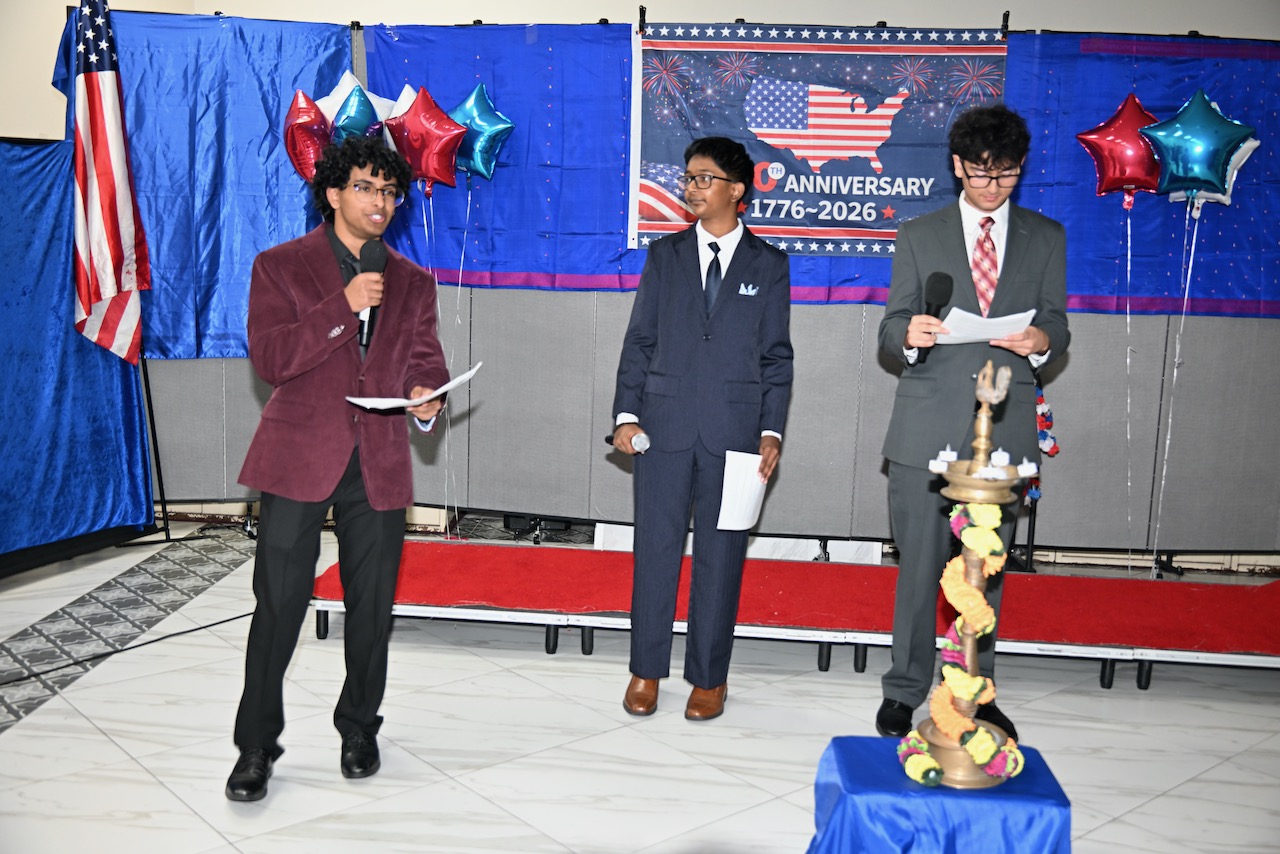
Eshan Patil, founder and executive director of the Youth Civics Think Tank (YCTT), organized the youth-led celebration alongside YCTT team members Aditya Komaragiri and Omkar Siddeswaran. Together, the students helped bring elected officials, veterans, Scouts, cultural organizations, community leaders, and hundreds of local residents together around a shared vision of unity and civic participation.
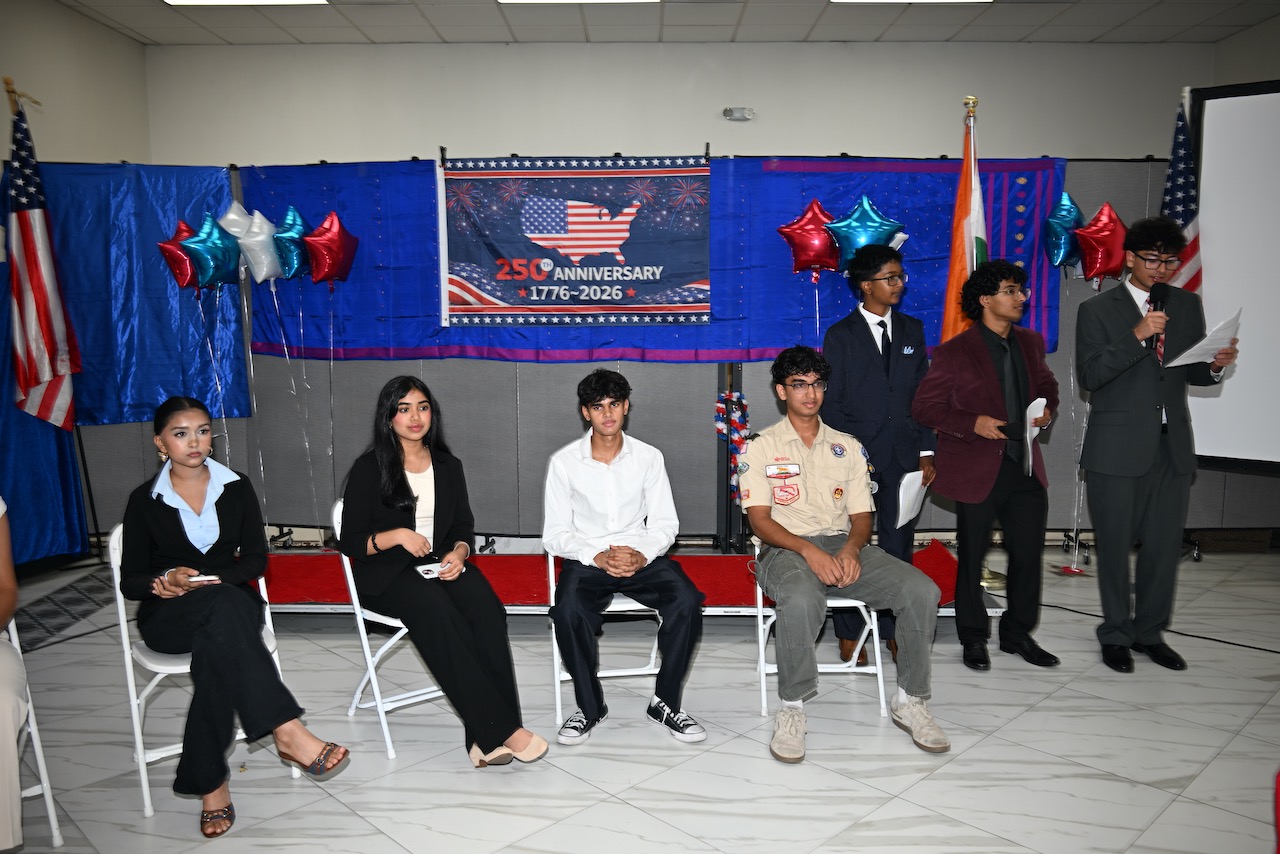 While the larger celebration emphasized cross-cultural understanding, Eshan Patil, Omkar Siddeswaran, and Aditya Komaragiri organized and led one of its central components: a Youth Leadership Panel examining the future of Asian American leadership.
“I’ve always been interested in that disconnect between achievement and leadership,” Eshan Patil said. “Asian American students are constantly being told that we’re successful, but that does not necessarily mean we’re equally represented in fields like civics, politics, or generally the rooms where decisions are being made.”
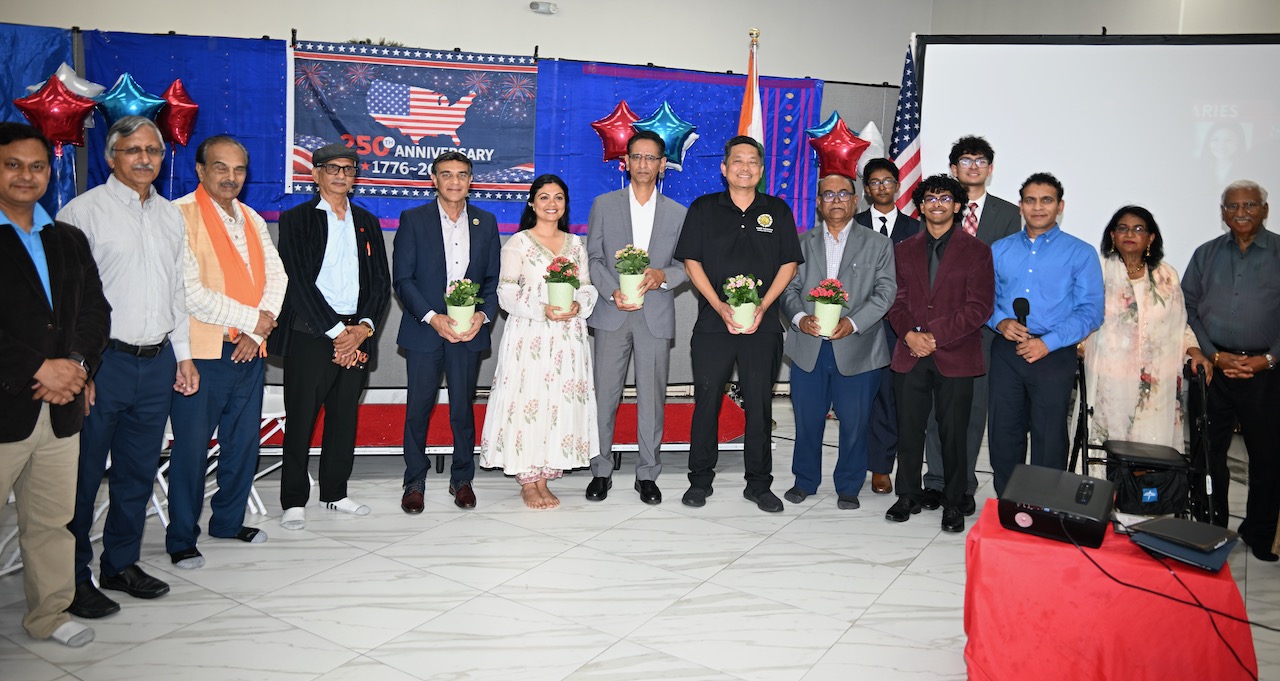 The distinguished youth panelists included Adriti Verma, Saivi Sodhi, Anoushka Rajeev, Ved Gandhi, and Soumil Arora together to discuss the “bamboo ceiling,” the model-minority stereotype, civic representation, cultural identity, and the pressures facing Asian American youth. Rather than simply celebrating achievement, the Youth Civics Think Tank team wanted the conversation to examine how the next generation can translate its education and success into greater leadership, advocacy, and civic participation.
 That focus reflects the broader mission of the Youth Civics Think Tank. By working with local cities, the organization seeks to give young people direct opportunities to engage with local governments, elected officials, businesses, and community organizations while encouraging students to see themselves as active participants in public life.
 For the Youth Civics Think Tank, the panel was also deeply connected to the purpose behind “United We Stand”: bringing people across cultural and generational boundaries into conversations they may not otherwise have together.
“Representation is important, but I think the next step is making sure young people actually feel empowered to lead,” Patil said. “We shouldn’t just be asking whether we have a seat at the table. We should be preparing the next generation to contribute when they get there.”
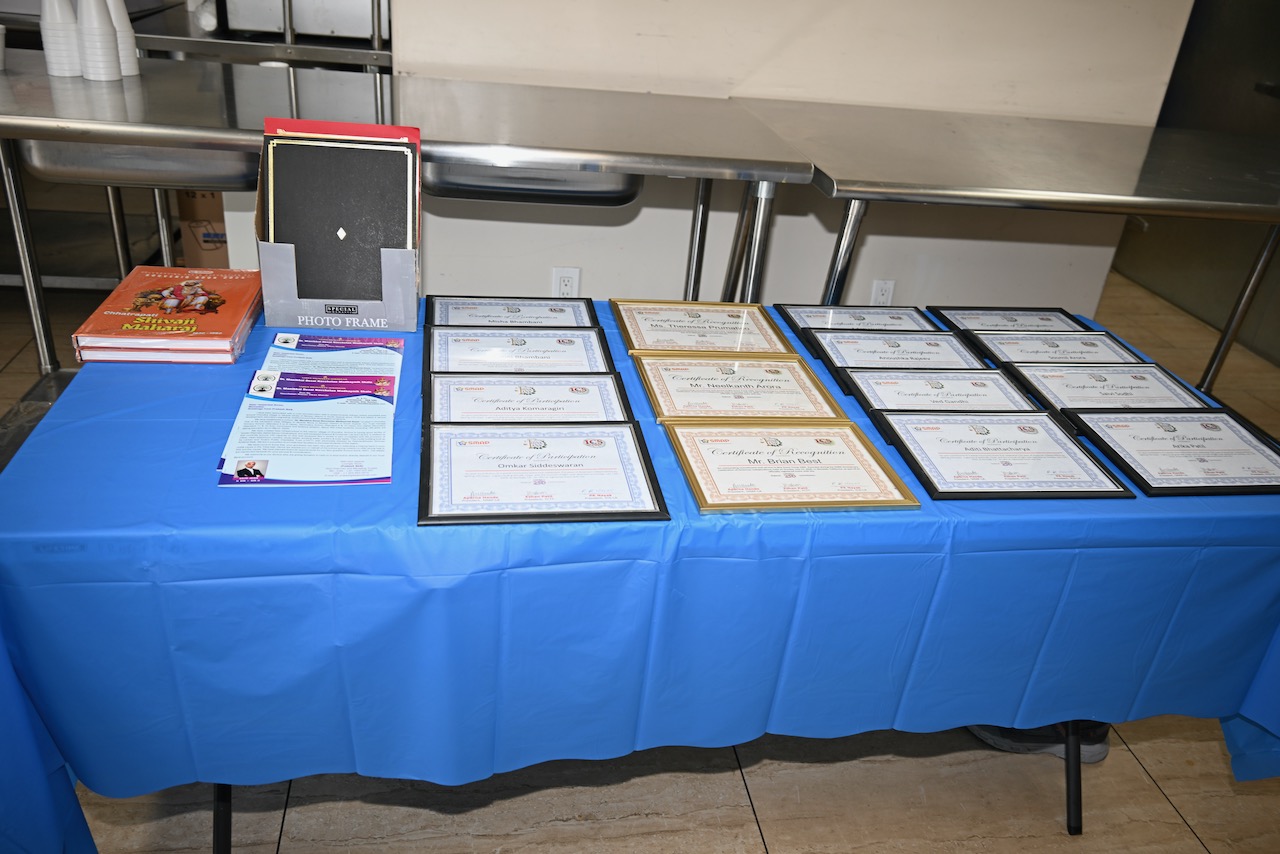
 The celebration also honored the contributions of veterans, Scouts, civic leaders, volunteers, and community organizations,Artesia Cerritos Lion Club . Special recognition was extended to Consul General Kulwant Singh; Mayor Nitesh Patel of La Palma; Councilman Vikesh Patel; Mayor Ali Taj of Artesia, Councilwoman Zeel Ahir of Artesia; Councilmember Shivender Singh of Yorba Linda; Mayor Frank Aurelio Yokoyama of Cerritos; and Commissioner Pat Patnaik of Cerritos for their continued support and leadership.
 During the program, Dr. Pradip Shukla proudly announced that a photograph of Mrs. Yatri Shukla had been flown at the California State Capitol in Sacramento during the 250th Anniversary celebration of American Independence. This prestigious recognition marked a proud moment for the Indian American community and highlighted the achievements of women in leadership.
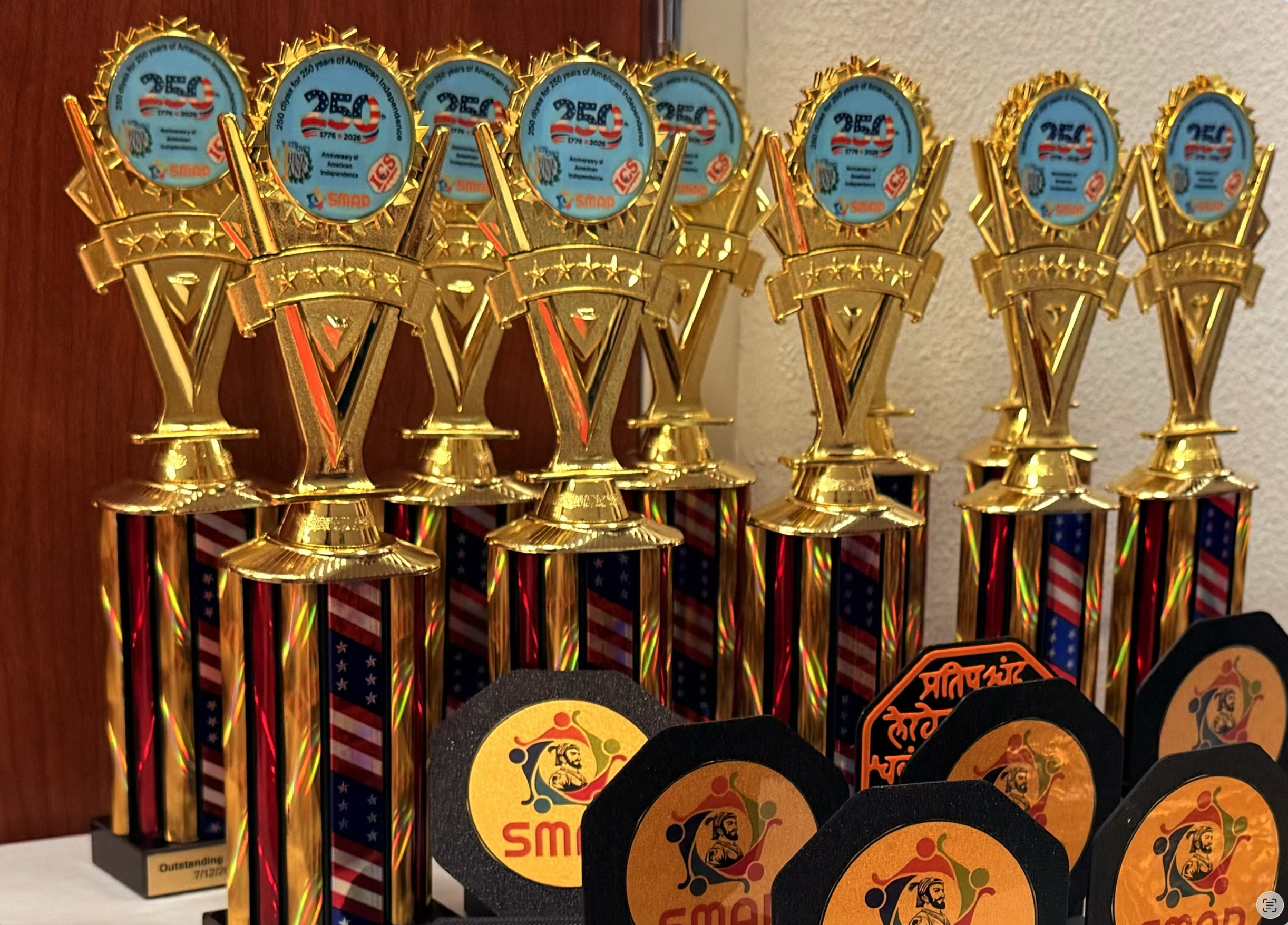 Through the combined efforts of Patil, Komaragiri, Siddeswaran, and the Youth Civics Think Tank team, “United We Stand” became more than a celebration. It became a platform for young people to examine what leadership, identity, and civic responsibility can look like for the next generation.