57 Indian-origin candidates in the fray in the US midterm elections; A measure of Indian-American influence in American politics
Nearly five million voters of Indian origin across the United States are heading to the polls on Tuesday, November 3. Given that they are preparing to vote in an organized manner, there is a strong possibility that candidates of Indian origin will emerge victorious in influential positions within federal, state, and local governments.
LOS ANGELES:- In the American midterm elections, approximately 57 candidates of Indian origin are running for elected office. These candidates are vying for positions ranging from the Senate and Congress to governorships, state legislatures, and local government offices.
With candidates of Indian origin competing in high-profile races—such as those for the governorship of Ohio and the mayoralty of Los Angeles—their participation reflects the growing presence of Indian Americans in U.S. politics.
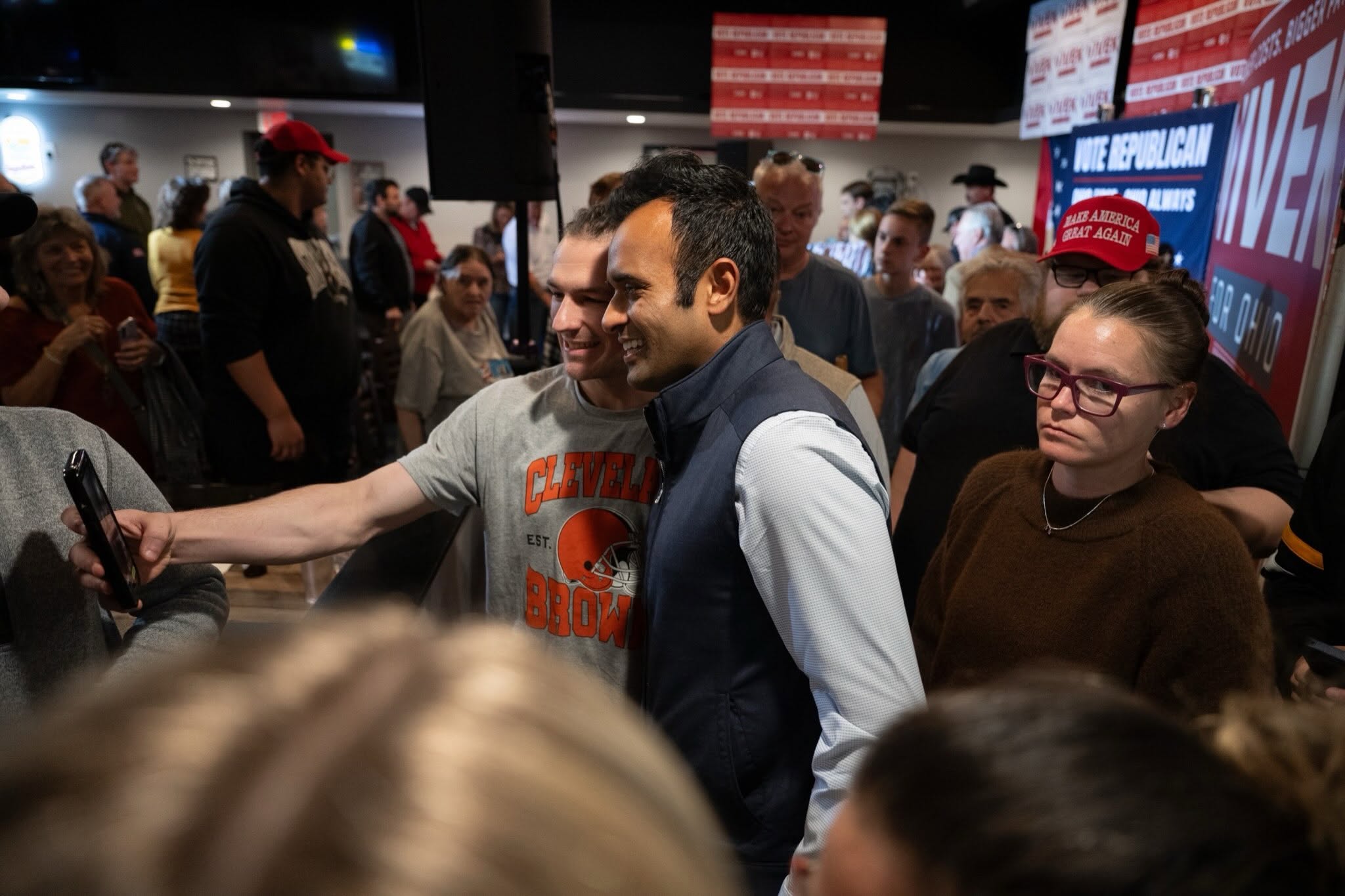
Among the candidates of Indian origin is Republican Vivek Ramaswamy—a biotechnology entrepreneur and former presidential candidate—who is running for Governor of Ohio against Democrat Amy Acton.
Polls indicate that Ramaswamy, who gained national prominence during the 2024 Republican presidential primary, is facing a tight race.
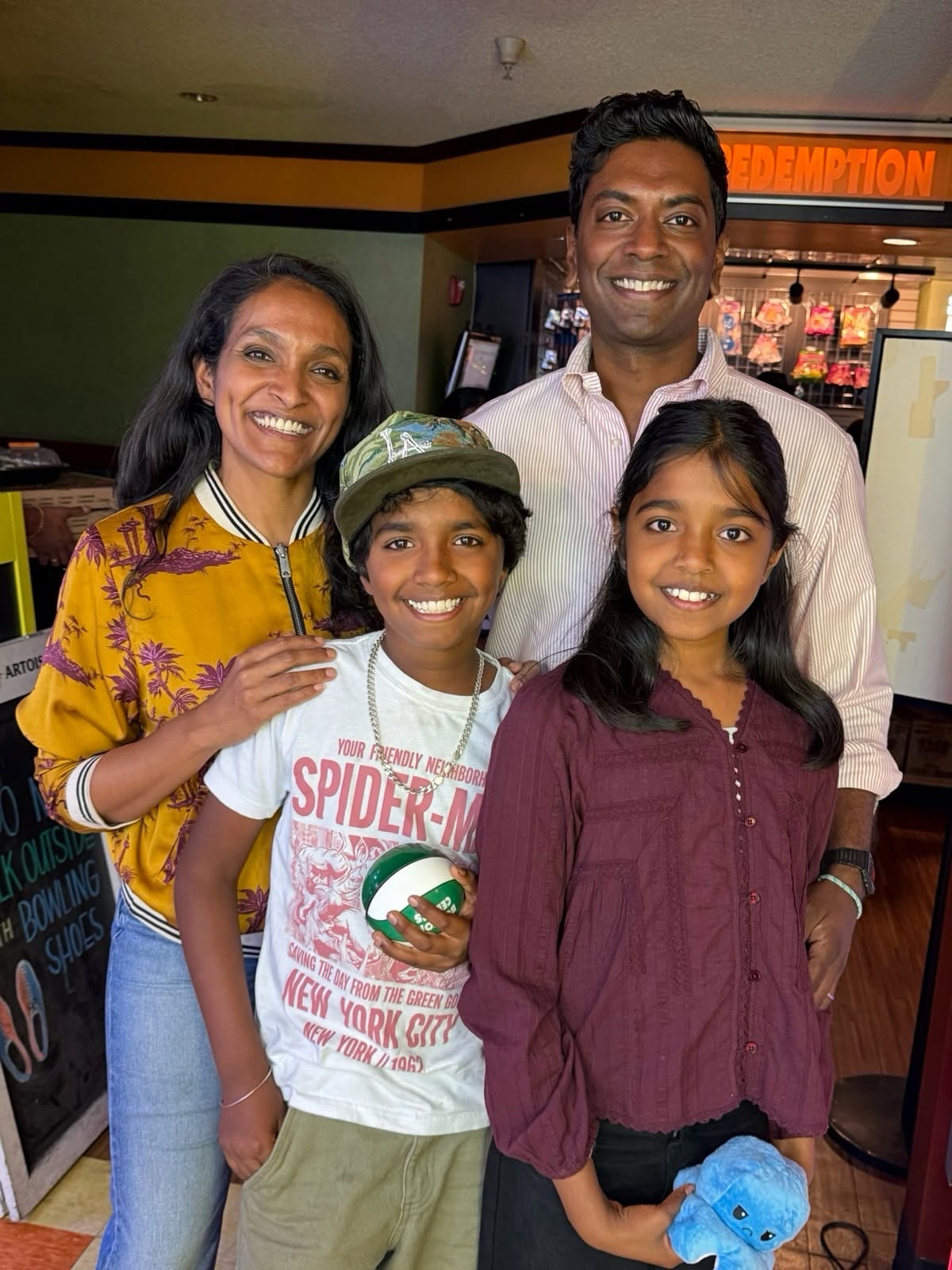
Similarly, Nithya Raman, an American politician of Indian origin, is posing a strong challenge to the current Mayor of Los Angeles, Karen Bass. In a poll released this week, both Raman and Bass received 40% support, with 19% of respondents remaining undecided.
In New York, Republican Sarita Komatireddy is challenging the Democratic Attorney General, Letitia James. A Siena College poll released on October 28 shows James leading Komatireddy by 54% to 39%.
Maryland Lieutenant Governor Aruna Miller is seeking re-election as part of the Democratic ticket, facing a challenge from Republicans, including Dan Cox.
In Massachusetts, independent candidate Shiva Ayyadurai is challenging Democratic U.S. Senator Ed Markey.
Eleven Indian-American candidates are competing for seats in the U.S. House of Representatives, including four incumbent Democrats seeking re-election. Ro Khanna and Ami Bera from California, Pramila Jayapal from Washington, and Suhas Subramanyam from Virginia are among those in the race to be re-elected.
In two congressional races, Indian American candidates are competing directly against each other. In California’s 17th Congressional District, Khanna is facing off against Republican Ritesh Tandon, an entrepreneur from Silicon Valley.
In Washington’s 7th Congressional District, Jayapal is being challenged by Republican Nirav Seth, a former U.S. Marine born in Gujarat, India.
The Cook Political Report and other election forecasters consider both districts safe for Democrats. Other Indian American candidates are competing in more closely contested congressional races.
Democrat Amish Shah is running for office in Arizona’s 1st Congressional District, while Democrat Piya Dandiya is running in Florida’s 22nd Congressional District. Both are competing for open seats that political analysts consider to be competitive.
Candidates of Indian origin have received significant support from Indian-American business establishments and civic groups, which has helped their campaigns gain visibility across platforms ranging from social media to local media outlets.
According to a 24-hour independent expenditure report filed with the Federal Election Commission on October 31, this spending has brought the total reported expenditure by the group in support of the candidate’s bid to approximately $220,000.
An analysis of the details submitted to the Federal Election Commission indicates that a total of approximately $100,000 was raised through 48-hour notices regarding contributions received between October 25 and October 30.
Other candidates of Indian origin running for Congress include Mahesh “Max” Ganorkar—the Republican candidate for North Carolina’s 4th Congressional District—as well as independent candidates Sandeep Dixit (Ohio’s 13th District) and Anil Kumar (Michigan’s 11th District).
Beyond federal and statewide elections, 36 Indian-American candidates are running for state legislative seats across 22 states. Among these, California, Illinois, and New York have the highest number of candidates, with four in each of these states.
This broad geographical distribution of candidates reflects the growing participation of Indian-Americans in state-level politics, extending well beyond the traditional hubs with large South Asian populations.
Many Indian-American candidates are also running for positions in local government. In Utah, Salt Lake County District Attorney Sim Gill is among those competing for an elected office.
In California, Oakland City Council member Janani Ramachandran is in the electoral race, while Rohit Malhotra is vying for a seat on the Fulton County Commission in Georgia.
The midterm elections include contests for positions related to public safety, municipal administration, and county administration.
The 57 candidates of Indian origin competing for election are affiliated with various political ideologies or parties, including Democrats, Republicans, and independents.
Their campaigns are focused on some of the country’s key political contests, as well as legislative and local elections that receive less attention at the national level.
The significant participation of Indian-American candidates in elections for governor, Congress, and municipal leadership signals the growing influence of Indian Americans in American politics.
Nearly five million voters of Indian origin across the United States are heading to the polls on Tuesday, November 3. Given that they are preparing to vote in an organized manner, there is a strong possibility that candidates of Indian origin will emerge victorious in influential positions within federal, state, and local governments.
For the Indian-American community, these midterm elections are expected to serve as an opportunity to further establish their growing presence and representation within the American political system.