
DHS proposes increasing H-1B visa application fees; new fee set at $103,265
The number of H-1B visas issued annually under the quota is capped at 65,000, while an additional 20,000 visas are allocated for skilled immigrants who have earned a master's degree or higher from a U.S. institution of higher education.
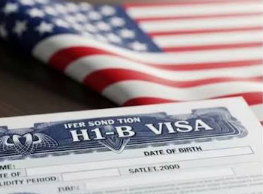
By Purushottam Dhakal, LOS ANGELES:- The Department of Homeland Security (DHS) has proposed a fee of $103,265 for all H-1B visa applications subject to the cap. This includes applications that are otherwise exempt from the cap due to advanced educational degrees.
In a statement issued on Monday, the DHS announced that the proposed fee must be paid at the time of application registration and would be charged in addition to all other applicable fees or payments.
The DHS claims that the revenue generated from the proposed fees will help cover a portion of the federal government’s costs for operating the legal immigration system.
The DHS stated that these expenses include activities such as the adjudication of immigration benefits, fraud detection and national security vetting, system modernization, record-keeping and fee collection, immigration court operations, consular visa processing, labor standards enforcement, and inter-agency coordination.
Based on DHS estimates—projecting an annual receipt of 85,000 H-1B applications (subject to the quota system)—this proposed fee is expected to generate approximately $8.8 billion in annual revenue.
USCIS spokesperson Jackahler stated, “The purpose of the proposed H-1B fee is to recover the costs incurred by the federal government for the adjudication process, security checks, and support of legal immigration programs; otherwise, taxpayer funds would have to be used for such programs.”
According to DHS, this additional fee will not apply to H-1B applications that are exempt from the quota system under the proposed rule.
The number of H-1B visas issued annually under the quota is capped at 65,000, while an additional 20,000 visas are allocated for skilled immigrants who have earned a master’s degree or higher from a U.S. institution of higher education.